






The Pervasive Landscape of Jueteng in the Philippines
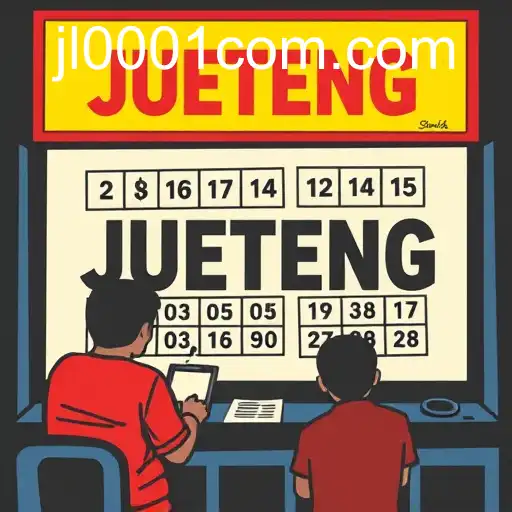
Understanding Jueteng: The Illicit Numbers Game
Jueteng is a popular illegal numbers game in the Philippines, deeply embedded in the cultural and historical fabric of the country. Despite repeated government crackdowns and adverse legal measures, this underground lottery thrives, enticing people from various strata of society. The game has not only persisted but has also evolved, embracing the digital space, making it more challenging for authorities to monitor and eliminate.
Jueteng's Historical Roots
The origins of jueteng trace back to the Spanish colonial era when it began as a localized form of entertainment. Over time, it emerged as a widespread gambling activity, intertwined with the socio-economic landscape of the Philippines. Each play involves selecting numbers from 1 to 37, and the operator draws two numbers at random. Players win by predicting the correct combination and are paid out accordingly.
How Jueteng Operates
Jueteng requires a network of "kubradores" (collectors) and "kabo" (coordinators) who facilitate betting among locals. These individuals act as intermediaries between the bettors and the game organizers or operators, often referred to as "jueteng lords." The operators are the ones who manage the draws and distribute earnings. Typically, these operations are conducted in secrecy given the illegality of the enterprise.
Despite its illicit status, jueteng offers a relatively simple and inexpensive form of gambling, attracting participation from all walks of life. Its affordability and familiarity make it a preferred choice for many Filipinos, often overshadowing legal gambling institutions like the Philippine Charity Sweepstakes Office (PCSO). Jueteng is considered by some as a necessary livelihood and an opportunity for financial gain.
Regulatory Challenges
The regulation of jueteng has been an ongoing challenge for the Philippine government. Political, social, and economic factors contribute to the persistence of this clandestine lottery. Local politicians, at times, have been accused of providing protection to jueteng operators in exchange for financial support during elections. This creates political hurdles in strictly enforcing anti-gambling laws.
Efforts to eradicate jueteng have led to the implementation of various laws and reforms. However, its pervasive nature has rendered many of these measures ineffective. The enforcement of these laws often lacks consistency, and corrupt practices within law enforcement agencies further complicate suppression attempts.
The Role of Technology
With the advent of digital platforms, jueteng has adapted to changing times. Online portals like "JL0001.COM" have surfaced as hosts for jueteng-style betting, diversifying the means by which the game is played. This shift to the internet presents additional challenges for regulation, as the decentralized and anonymous nature of the web facilitates easier circumvention of legal frameworks.
The Philippine government faces difficulties in tracking and shutting down these online versions, as they often operate from regions outside their jurisdiction. These digital platforms complicate the tracing of transactions and player identities, further muddling efforts at accountability and regulation.
Socio-Economic Impacts
Jueteng's societal impacts cannot be understated. On one hand, it provides financial opportunities, albeit illegal, creating a subsistence economy for many individuals within otherwise impoverished communities. The reliance on jueteng is indicative of underlying social inequalities and the absence of viable economic opportunities in these regions.
Conversely, jueteng also perpetuates economic stagnation and dependency among its participants. The dream of instant wealth attracts individuals, encouraging repeated participation, which can lead to financial distress and indebtedness for the most vulnerable players. This cycle of betting and loss is detrimental to community welfare as a whole.
Effective Solutions
Developing effective solutions to combat jueteng requires more than just law enforcement. Addressing the socio-economic conditions that fuel its persistence is crucial. Creating alternative economic opportunities, improving education, and establishing comprehensive anti-poverty measures are fundamental to dissuading reliance on illegal gambling.
Additionally, transparent and improved regulation of legitimate gambling institutions might draw participatory interest away from illegal gaming, offering a more secure and welfare-oriented channel for gaming revenues.
Technological advancements can be harnessed by regulatory bodies to monitor and mitigate online gambling. Implementing robust security measures and tracing mechanisms can deter the growth of illicit online gaming platforms like JL0001.COM.
Discovering the Experience of TrialofPhoenix

An in-depth look at the game TrialofPhoenix, exploring its captivating gameplay, rules, and connection to current events.
2026-03-13
Experience Sweet Adventures with YummyTrickorTreat

Dive into the enchanting world of YummyTrickorTreat, a captivating game that combines fun and strategy, promising an unforgettable Trick-or-Treat experience.
2026-03-12
Unlock the Thrill of OPENSESAMEMEGA - Your Ultimate Gaming Adventure Awaits

Dive into the captivating world of OPENSESAMEMEGA, where strategy, exploration, and excitement await. Discover game details, rules, and how it intertwines with current trends.
2026-03-11
Exploring the Exciting World of Legendary5

Dive into the captivating universe of Legendary5 and discover its innovative gameplay, thrilling rules, and the buzz surrounding JL0001.COM.
2026-03-10

 download apk/ios